Full-Stack & Robotics Software Engineer
Jun Hur
I build software that keeps robot fleets running in the real world.
For 5+ years I have built production systems across robotics, fintech, and healthcare — robot fleet control platforms, financial data pipelines, and clinical software. I am applying to US CS master's programs in software engineering for cyber-physical systems.
01. Research Interests
My work sits where software meets the physical world. More than five years of building and operating robot fleets, financial data pipelines, and clinical software in production led me to three research interests in software engineering for cyber-physical systems:
01 Fault Diagnosis Across System Layers
Failures in fleet systems span the control frontend, backend, message broker, robot software, and site network. I am interested in observability and fault-localization techniques that trace causes across these layers — a problem I faced daily while operating 30+ robots in production.
02 Failure Prediction from Operational Telemetry
At DOGU Robotics I found that anomalies in MQTT message frequency repeatedly preceded customer failure reports, and built monitoring around that signal with no added instrumentation. I am interested in how far such early-warning indicators generalize across systems.
03 Simulation-Based Validation Before Deployment
I validate robot behavior in NVIDIA Isaac Sim / Isaac Lab with domain randomization and have built a from-scratch MAPF simulator for pre-deployment fleet sizing. I am interested in scenario generation and in quantifying what simulation results guarantee about field reliability.
Supporting foundations: real-time fleet control (MQTT · VDA5050 · WebSocket), multi-robot path planning (MAPF), reinforcement learning and sim-to-real transfer in Isaac Sim / Isaac Lab, digital twins, and large-scale telemetry monitoring.
02. About
I am a software engineer at GoLe Robotics, building the fleet management system for autonomous robots on construction sites and validating robot behavior in NVIDIA Isaac Sim / Isaac Lab before deployment. Previously, I was the sole developer at the fintech startup Niflers, where I owned the full stack behind 200,000+ auto-generated corporate carbon-risk reports. Before that, I led web development for robot fleet control at DOGU Robotics, operating 30+ robots across 10+ sites for clients including Hyundai, SK hynix, and GS EPS.
Alongside production work, I have kept building fundamentals on my own: re-implementing the Transformer and xLSTM from the original papers, writing a multi-robot path-planning (MAPF) simulator from scratch in TypeScript, and measuring everything — my undergraduate thesis quantified a 96% reduction in nursing-documentation time, and my open-source repositories report reproducible benchmark numbers. In 2017, my real-time lecture-transcription app for deaf and hard-of-hearing classmates won the KIISE Grand Prize.
I am applying to US master's programs in computer science to study the reliability of cyber-physical systems — fault diagnosis, failure prediction, and simulation-based validation — with the goal of continuing on to a PhD.
03. Skills
04. Experience
Present
- Building the full stack of the fleet management system (FMS) for autonomous mobile robots — a web operations console, a companion mobile app, and simulation tooling that together monitor and control a fleet of delivery robots and service elevators.
- Implemented real-time control and monitoring over the MQTT-based VDA5050 AMR standard with WebSocket live feeds — snapshot-plus-incremental updates, render throttling, and automatic backoff reconnection for unattended sites.
- Built a visual scenario editor where operators draw over SLAM maps and place direction-aware navigation nodes to compose routes — saved missions are validated and compiled into VDA5050 orders using resolution-independent coordinates.
- Designed cargo (roll-container) tracking — pickup/drop-off history with automatically captured photos, per-robot throughput analytics, recurring schedules, and elevator-integrated multi-floor delivery.
- Shipped a companion mobile app for field operators — live fleet KPIs, a real-time critical-alert feed, robot commands (pause / resume / stop / return home), and elevator calls with a floor picker.
- Built a browser-based driving simulator that extrudes 3D walls from SLAM occupancy maps (PGM/YAML), verifying that a rover of configured dimensions and speed clears narrow sections along hand-drawn paths.
- Designed the PostgreSQL backend with role-based access control (admin/employee/client, enforced on both client and server) and centralized logging that distinguishes network, authentication, and database failures — operational issues are traceable directly from the database.
- Built an NVIDIA Isaac Sim driving-simulation environment — the company's AMR imported from CAD as URDF, real robot ROS2 nodes (localization, motor driver, LiDAR merger) running unmodified against the sim with Nav2 navigation in RViz — and validated a complete multi-floor delivery sequence (elevator boarding, floor-map switch) end to end before on-site runs.
- Continuing toward sim-to-real transfer: Isaac Lab reinforcement-learning training pipelines with domain randomization, replicating deployment sites in simulation.
2025.11
- Sole owner of all web development — frontend, backend, infrastructure, and deployment.
- Designed MySQL schemas and indexing for KED and FnGuide financial data, with a daily automated ingestion pipeline running on Docker + Nginx on Linux.
- Refactored a 20,000+ line monolithic script, cutting report generation time from 10 minutes to 2.
- Diagnosed and resolved two production incidents — a data-integrity failure during 20-process parallel loading and a framework upgrade that broke every API — experience that shapes how I design for data integrity and observability.
- Built a carbon-risk reporting system that auto-generates 200,000+ corporate reports using Pandas, algorithmic optimization, and multiprocessing — scaled from 0 to 100 users.
- Developed backend APIs for crisk.co.kr: Spring Boot for authentication, email, and sign-up; FastAPI for financial data and report endpoints.
- Designed parallel pipelines on AWS ECS + Step Functions for daily financial data loads, with CI/CD via CodeCommit and CodeDeploy.
- Prototyped an LLM-based question-answering interface so users could query reports in natural language instead of searching manually — a first-hand look at both the promise and the limits of current models on deep financial reasoning.
2023.12
- Built the fleet-control platform managing 30+ robots across 10+ sites — hospitals, outdoor environments, and factories.
- Debugged incidents end to end across the control frontend, backend, MQTT broker, and robot ROS layers — teaching myself each layer beyond my original frontend role.
- Implemented WebRTC video streaming and MQTT-based robot control and monitoring, with Grafana dashboards for data visualization.
- Discovered that anomalies in MQTT message frequency often predicted robot failures before customers reported them, and built monitoring around that signal — with no extra instrumentation — so engineers could respond proactively instead of waiting for complaints.
- Shipped branching diagnostic scripts that field engineers used to localize faults by elimination — battery, then network, then software.
- Migrated the frontend from Vue.js to React and standardized components across 10+ site-specific deployments.
- Deployed for major clients including Hyundai, SK hynix, and GS EPS.
- Organized internal developer conferences and study groups on Git, clean code, and engineering culture.
2021.11
- Developed and maintained ERP web services for Incheon City Gas.
2021.04
- Converted nuclear power plant calculation logic into a C++ digital twin in collaboration with K-water (Korea Water Resources Corporation).
05. Projects
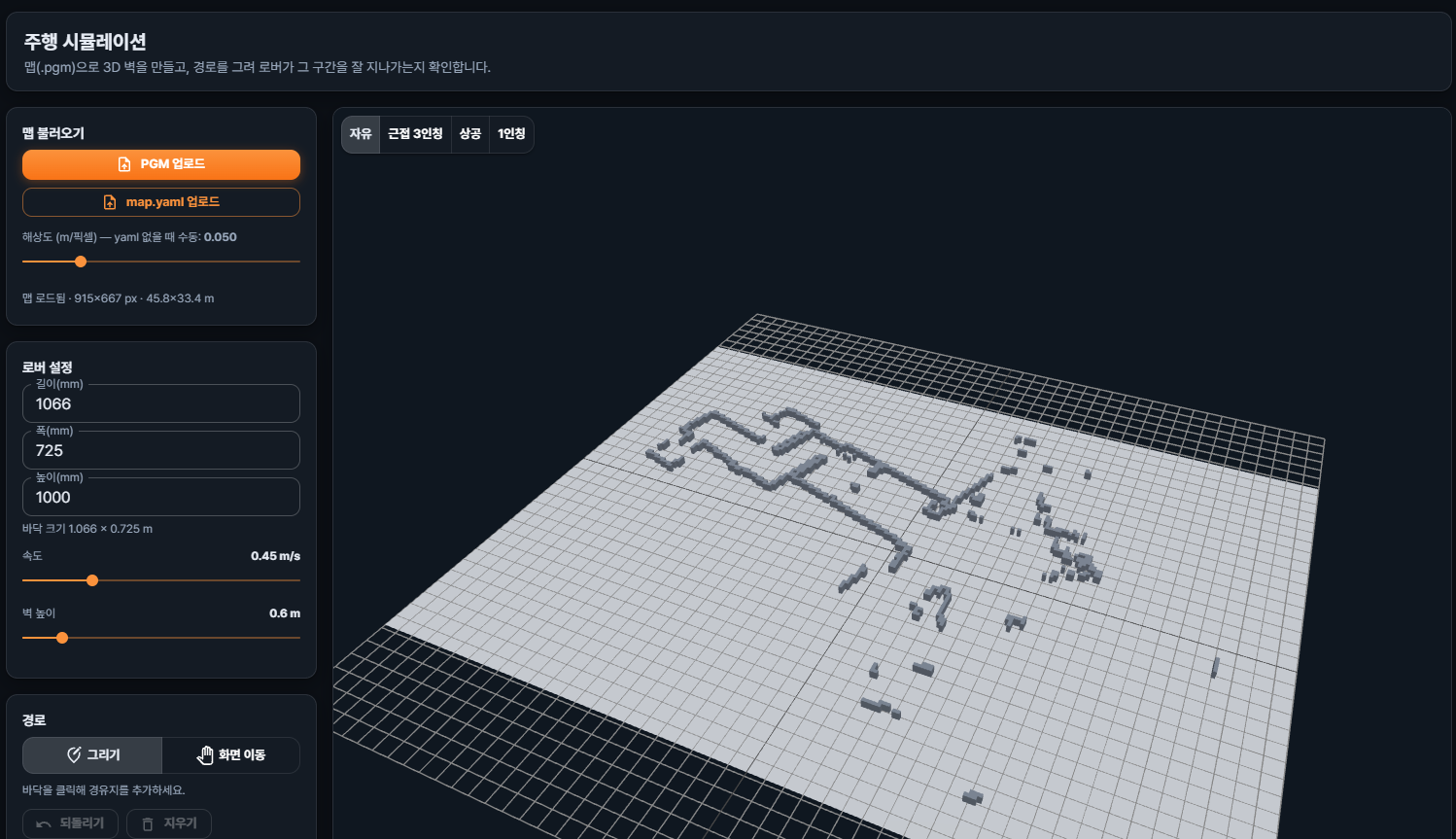
Full-stack platform for autonomous robot fleets — web operations console, companion mobile app, and driving simulator. Real-time VDA5050 control over MQTT/WebSocket, a visual scenario editor, cargo tracking, and elevator-integrated multi-floor delivery.
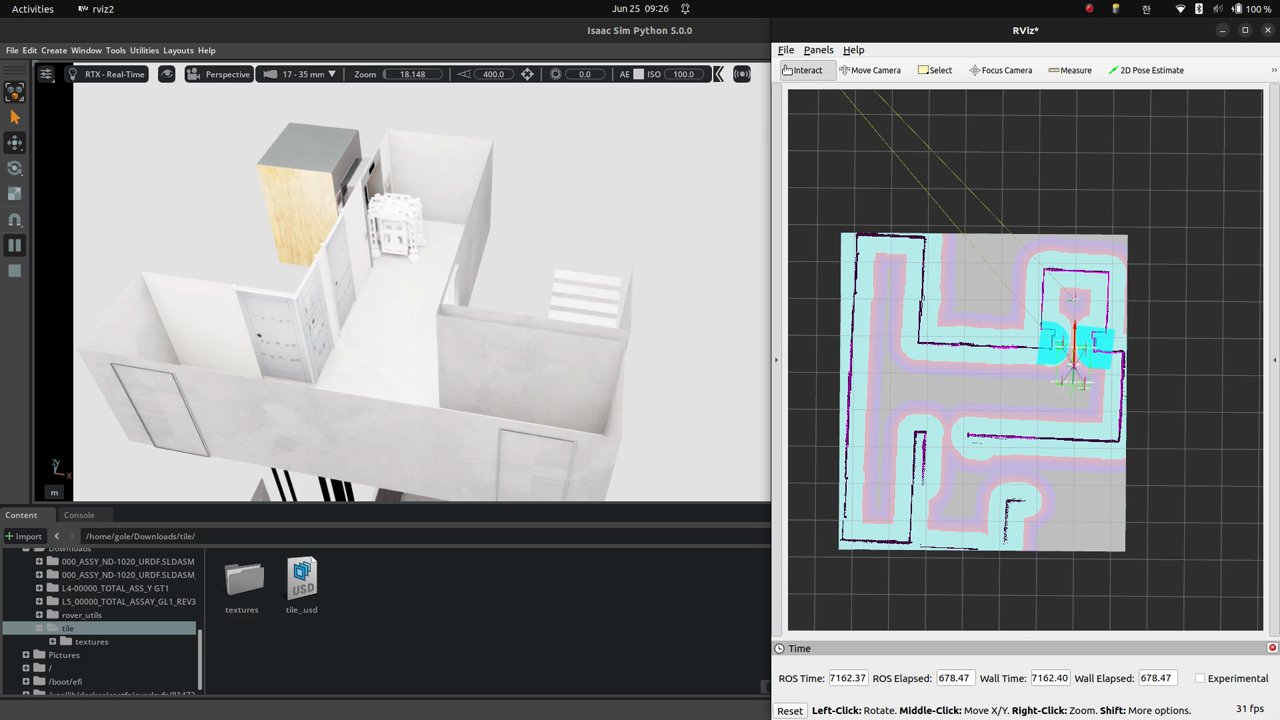
Robot driving simulation built on NVIDIA Isaac Sim — CAD-imported AMR (URDF), ROS2/Nav2 navigation visualized in RViz, a simulated elevator with floor-map switching, and a web control panel. Validates full multi-floor delivery sequences before on-site runs. Demo videos inside.
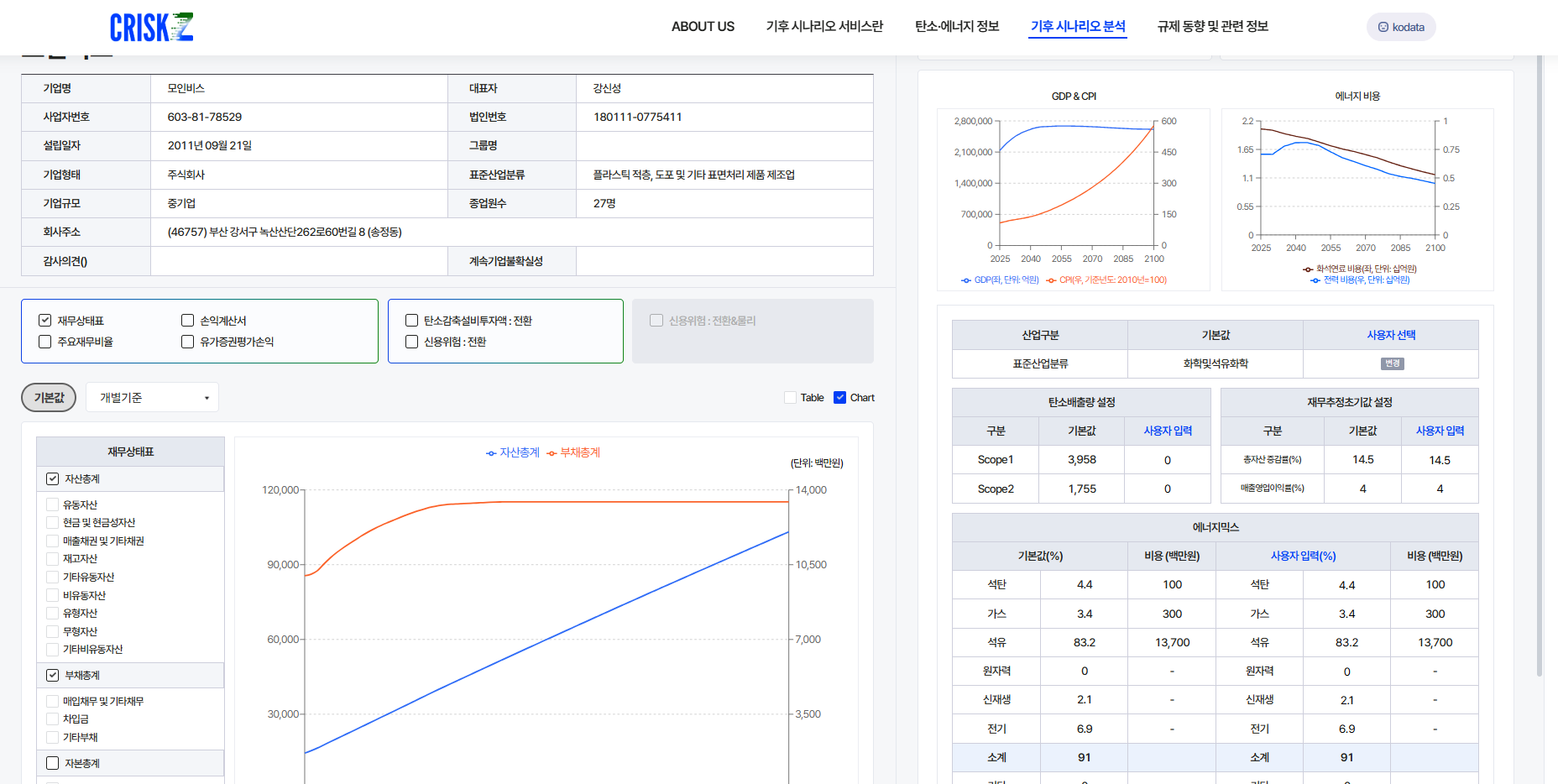
Full-stack fintech platform for corporate carbon-risk analysis — automated data ingestion, MySQL storage, and FastAPI-based report generation.
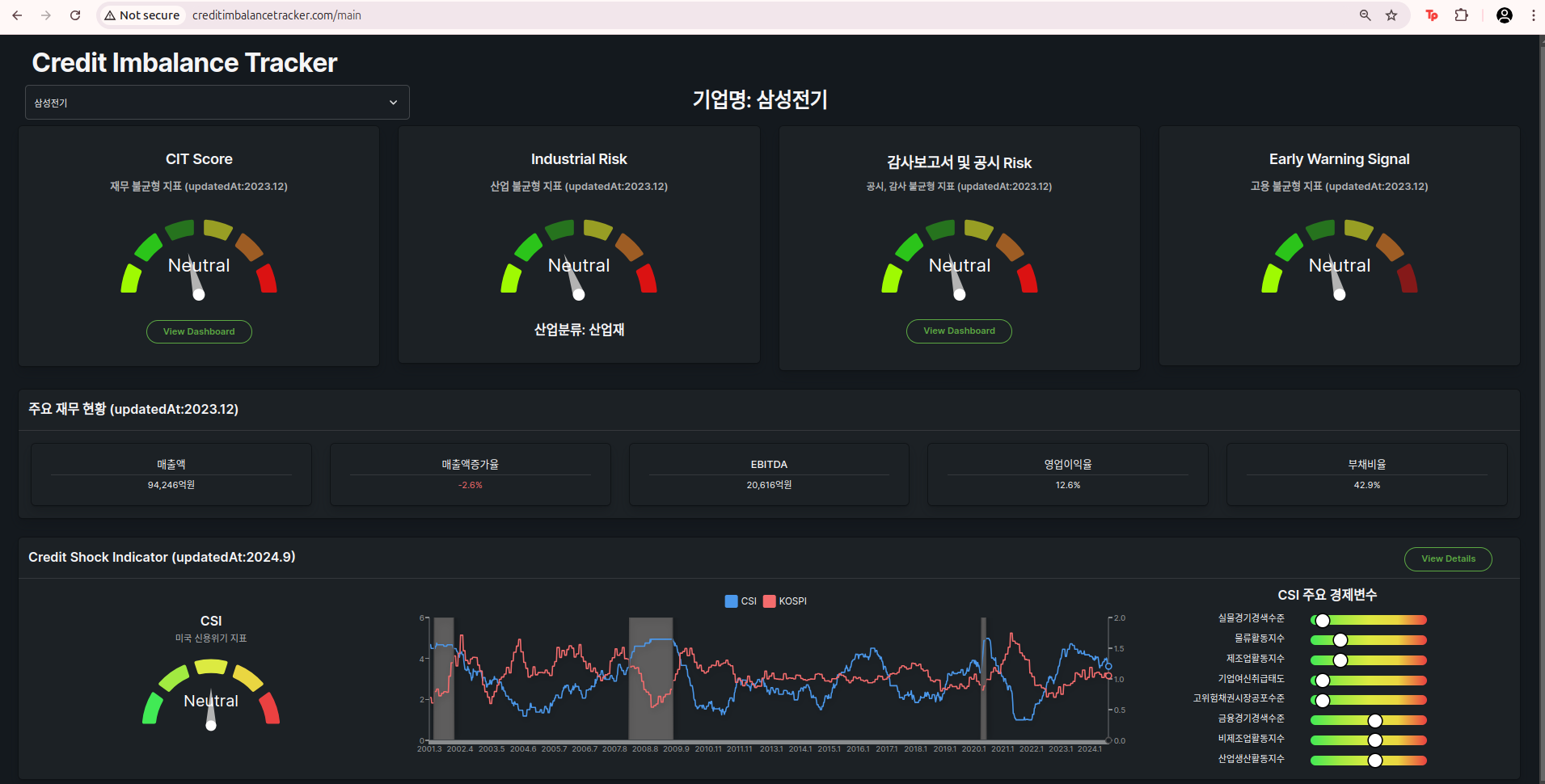
Corporate financial-health visualization service for banks and asset appraisers — dashboards of complex financial indicators (CIT Score, Industrial Risk, Early Warning Signal), built end to end.
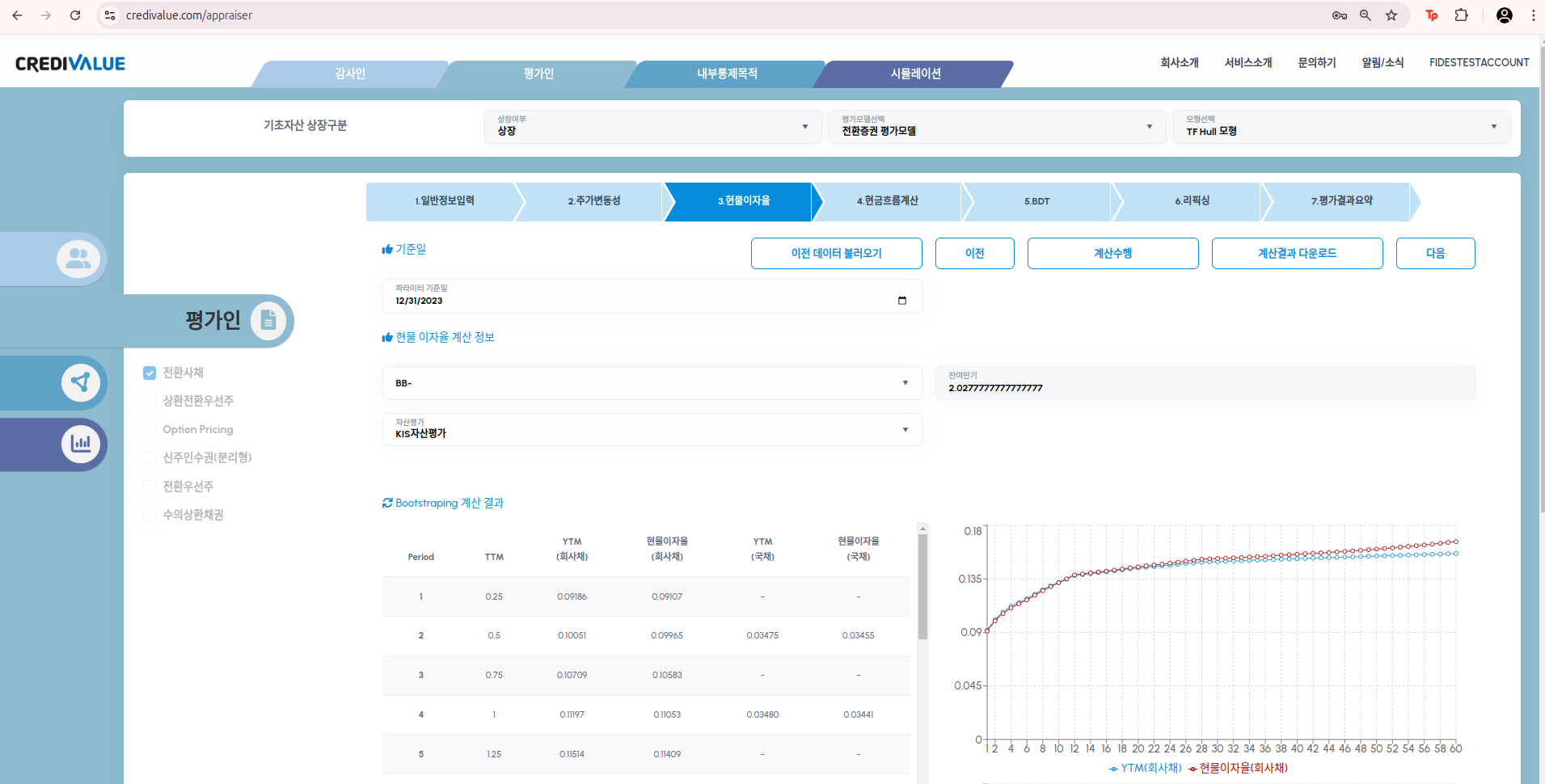
Present-value valuation platform. Excel uploads trigger asynchronous processing on AWS Lambda + Step Functions + SQS, backed by a full CI/CD pipeline.
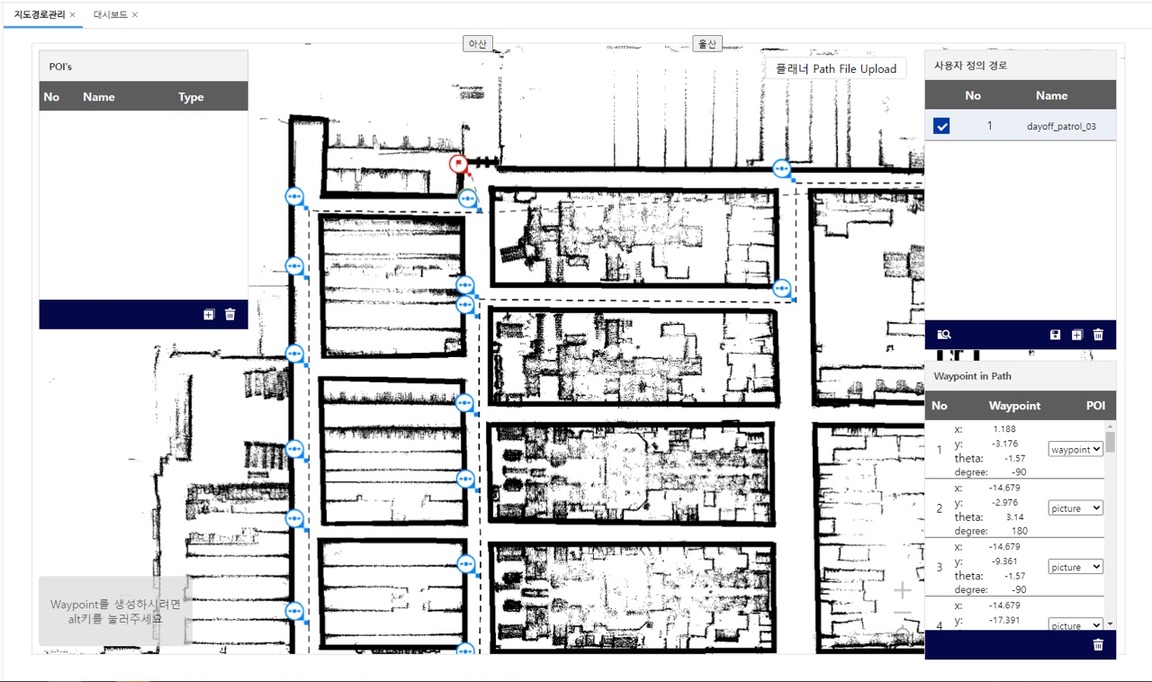
Real-time monitoring and control platform for autonomous robots in hospitals, factories, and corporate environments — WebRTC streaming and MQTT control.
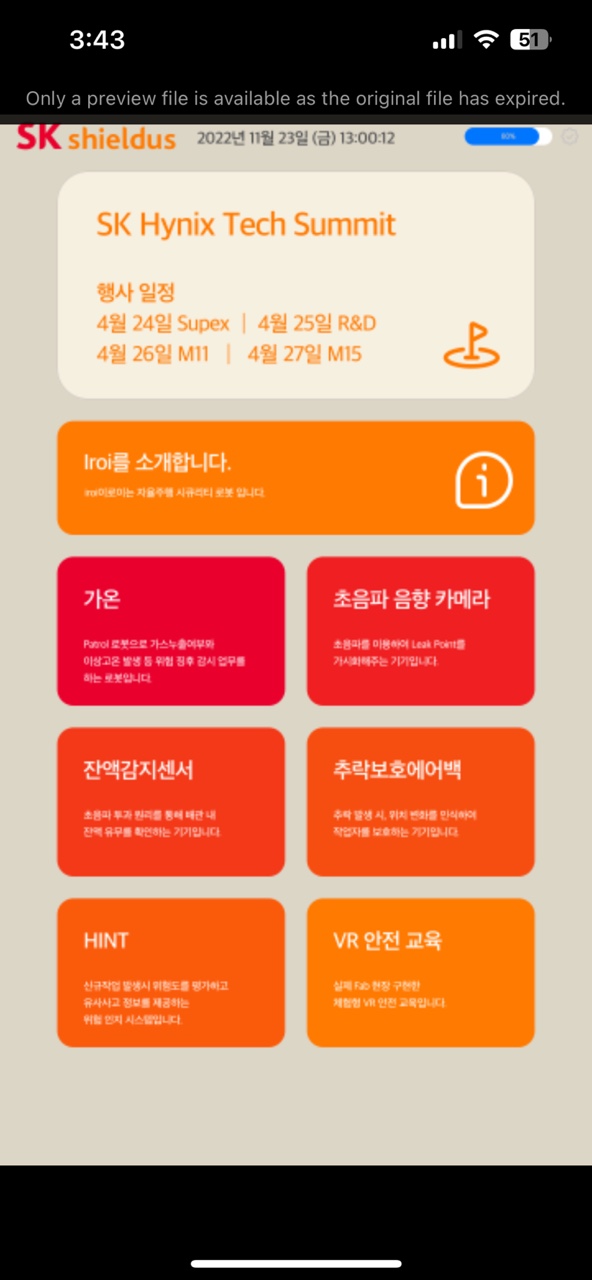
Touch UI for service robots' front displays — information kiosk, indoor navigation, and live video calls via the Zoom SDK.
C++ digital-twin simulation of nuclear plant thermal-hydraulic calculation logic — validated together with domain engineers.
AI speech-to-text platform that turns clinical conversations into structured records to reduce manual charting — backend services and AI-integration workflow.
Selected Open-Source Projects
Projects on github.com/hurjun in the areas above — multi-robot coordination, simulation-based validation, sequence models, and efficient ML systems. Each repository documents how to reproduce its results, and the numbers below are actual measurements recorded in each README.
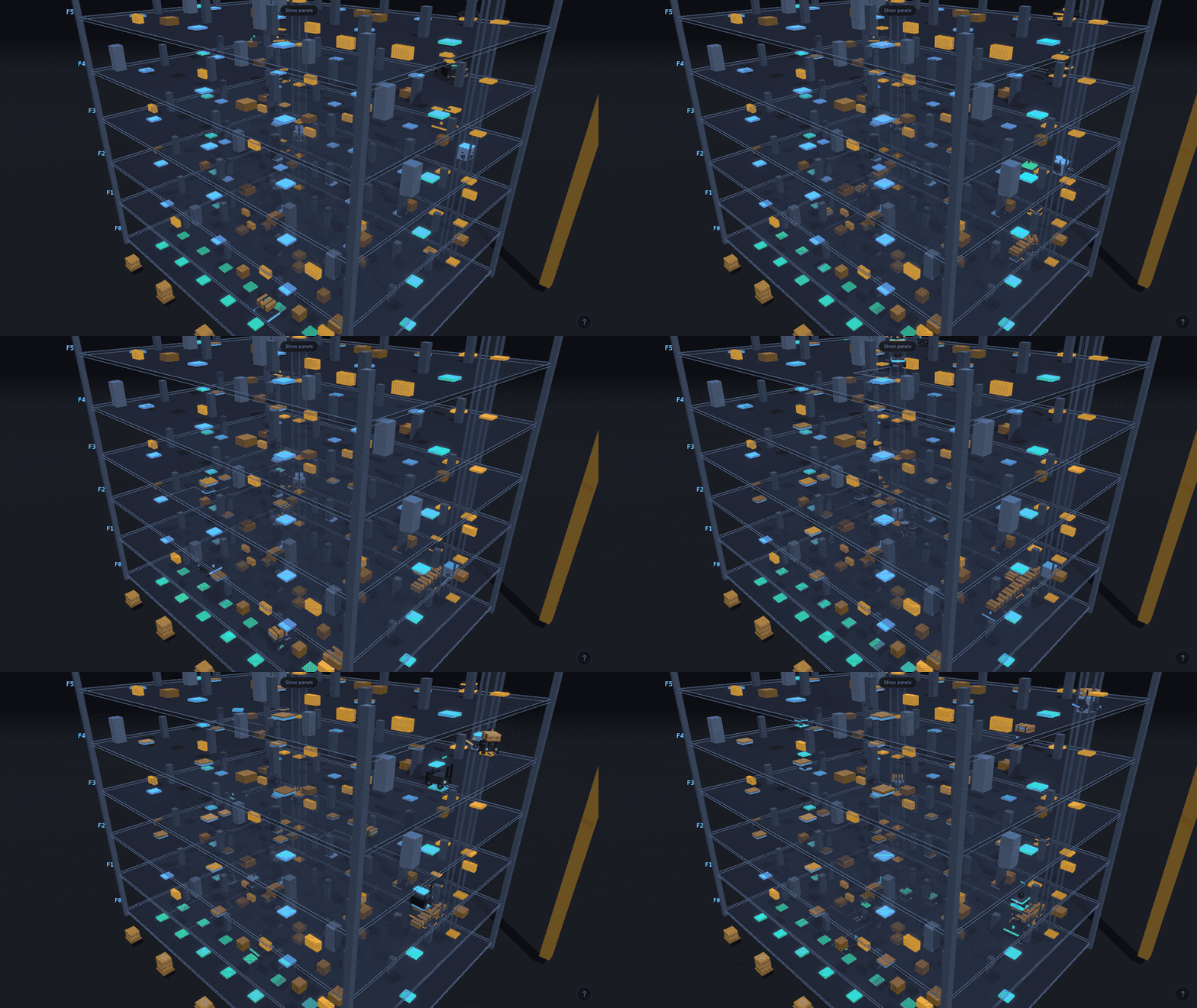
Real-time 3D simulation of multi-robot fleets on multi-floor sites. Features a MAPF engine implemented from scratch in TypeScript (windowed cooperative A*, Conflict-Based Search), capacity-limited elevators, and live fleet-size optimization. Sustained zero collisions across 66 headless benchmark runs / 21,000+ simulation ticks.
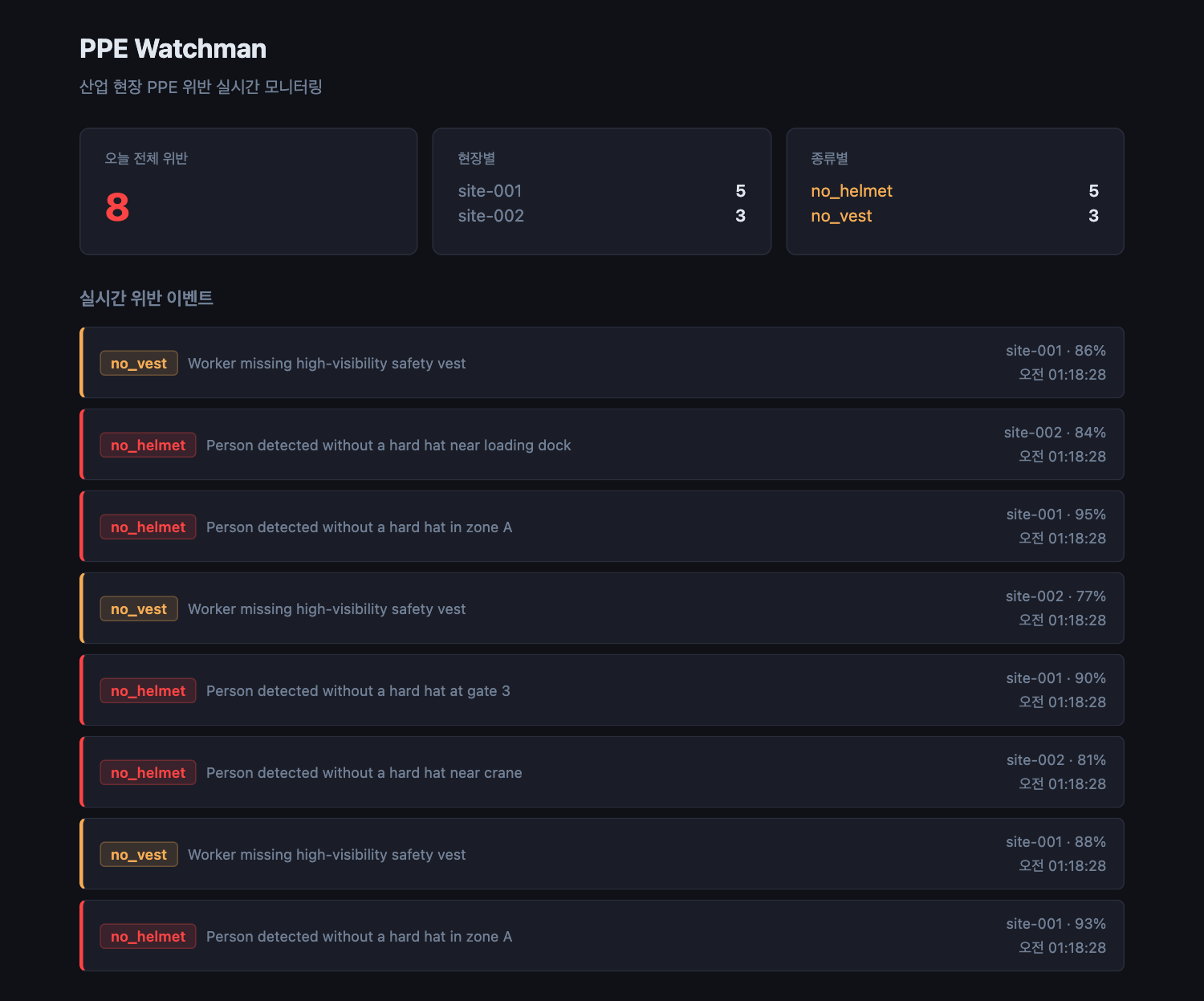
Real-time, distributed detection of missing personal protective equipment (PPE). Edge clients run YOLOv8 inference and send lightweight violation events to a FastAPI hub, which stores them and broadcasts over WebSocket to a live Next.js monitoring dashboard. Directly applicable to construction-site safety monitoring.
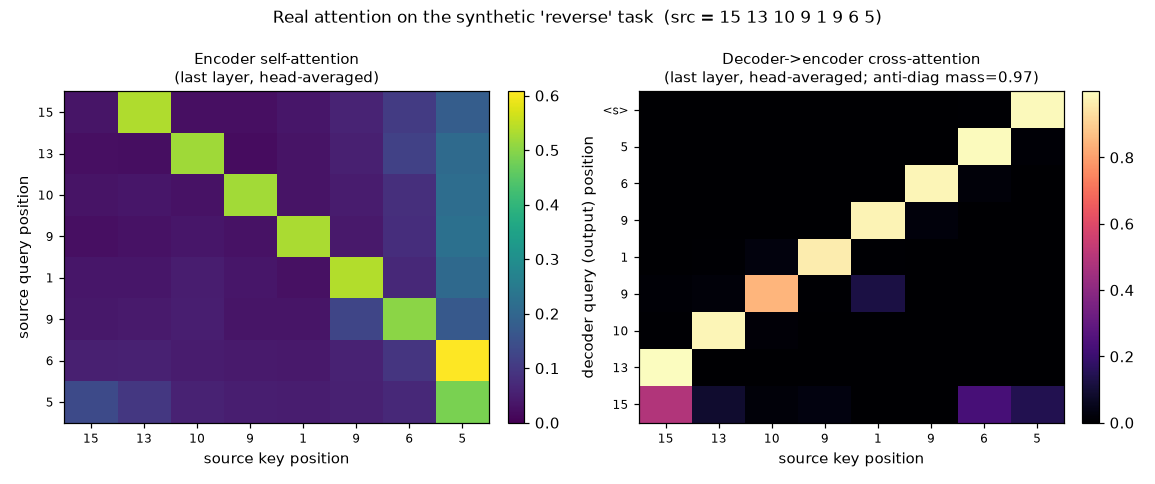
Re-implementation of Attention Is All You Need from scratch in PyTorch — attention, masking, the Noam schedule, and label smoothing all built from primitives. Reaches 98.2% exact sequence match on a synthetic reversal task on CPU. An ablation removing positional encoding drops accuracy to 0%, confirming it is load-bearing.
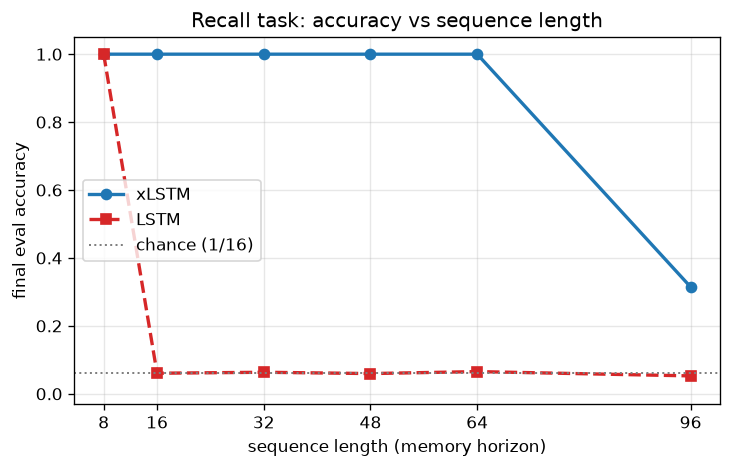
sLSTM and mLSTM cells with exponential gating and stabilized state (Beck et al., NeurIPS 2024), implemented from scratch in PyTorch. On a 64-step recall task, xLSTM reaches 100% accuracy while a vanilla LSTM never beats chance, even with up to 2× the parameters.
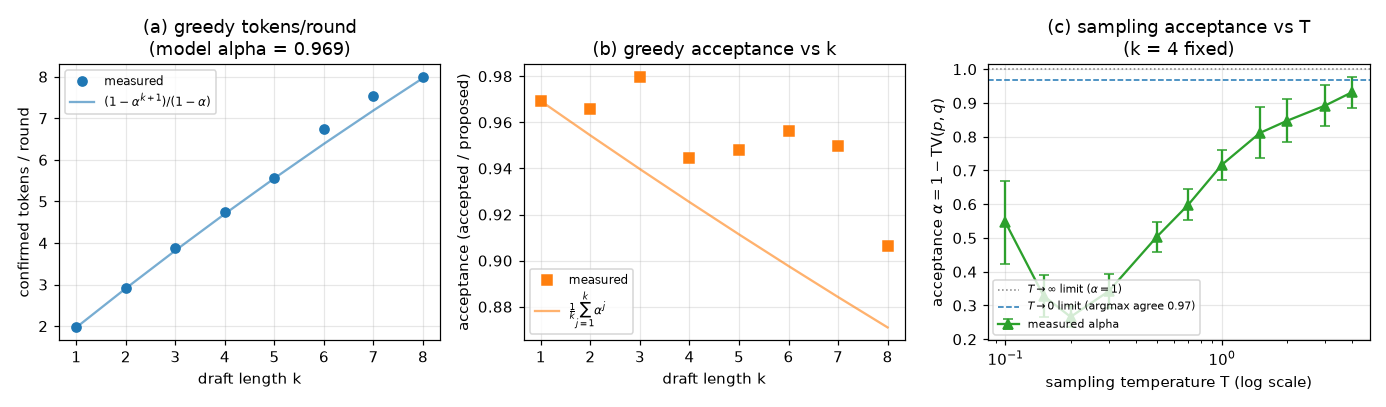
Speculative decoding for autoregressive LLM inference, implemented from scratch with distribution-preserving acceptance sampling. Measured up to 1.80× lossless speedup on Apple Silicon MPS with DistilGPT-2 drafting and GPT-2-large verifying. Output is token-identical to greedy decoding.
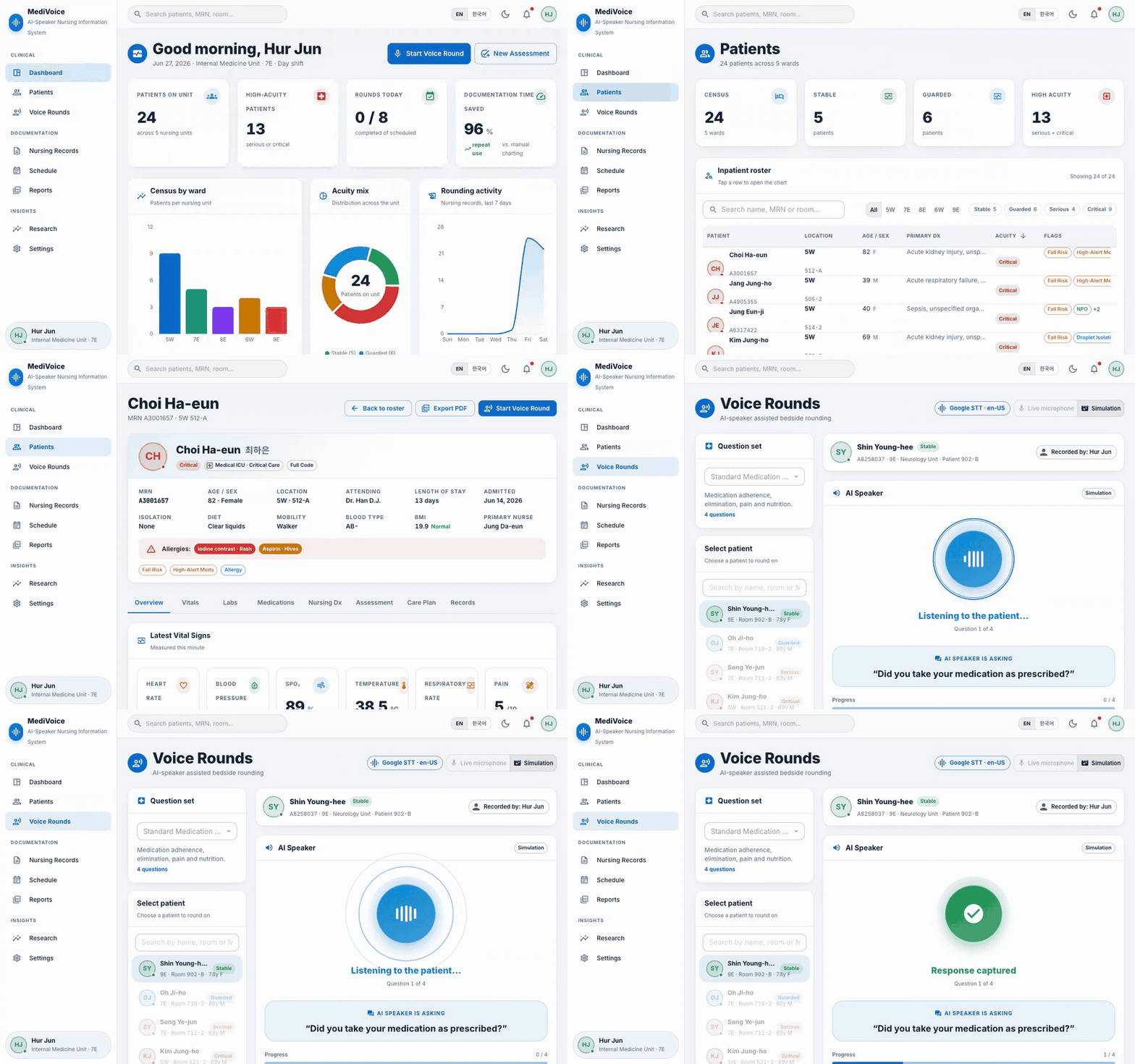
Voice-first nursing documentation: an AI speaker asks assessment questions (TTS), transcribes the answers (STT), and normalizes them into structured records. A working implementation of undergraduate research in which the assisted workflow cut documentation time by up to 96%.
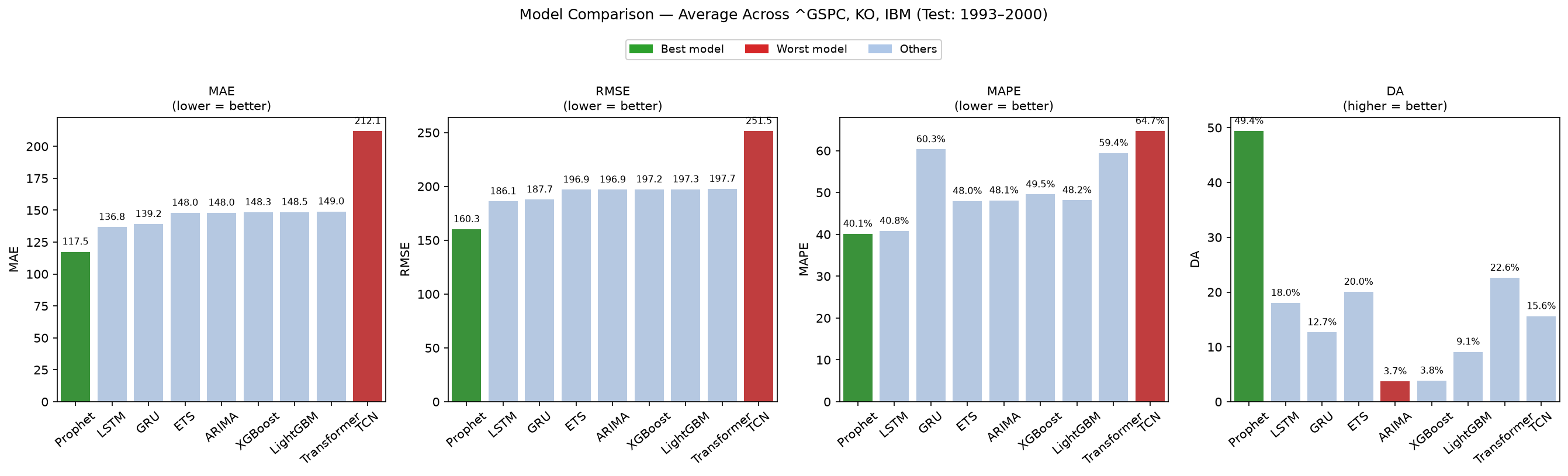
Config-driven, leakage-controlled benchmark comparing 9 time-series forecasting models (ARIMA, ETS, Prophet, XGBoost, LightGBM, LSTM, GRU, TCN, Transformer) on 1962–1992 → 1993–2000 stock data. Prophet ranks first overall (RMSE 160), with an analysis of why the deep-learning models underperform here.
06. Education & Credentials
Completed the degree while working full-time as a software engineer from 2021 onward. Thesis: an AI-speaker nursing-documentation assistant that cut charting time by up to 96% in evaluation.
Graduation ThesisFor Reacord, a real-time lecture-transcription app built and released for deaf and hard-of-hearing classmates.
Equivalent to approximately 90 on the previous 0–120 scale.